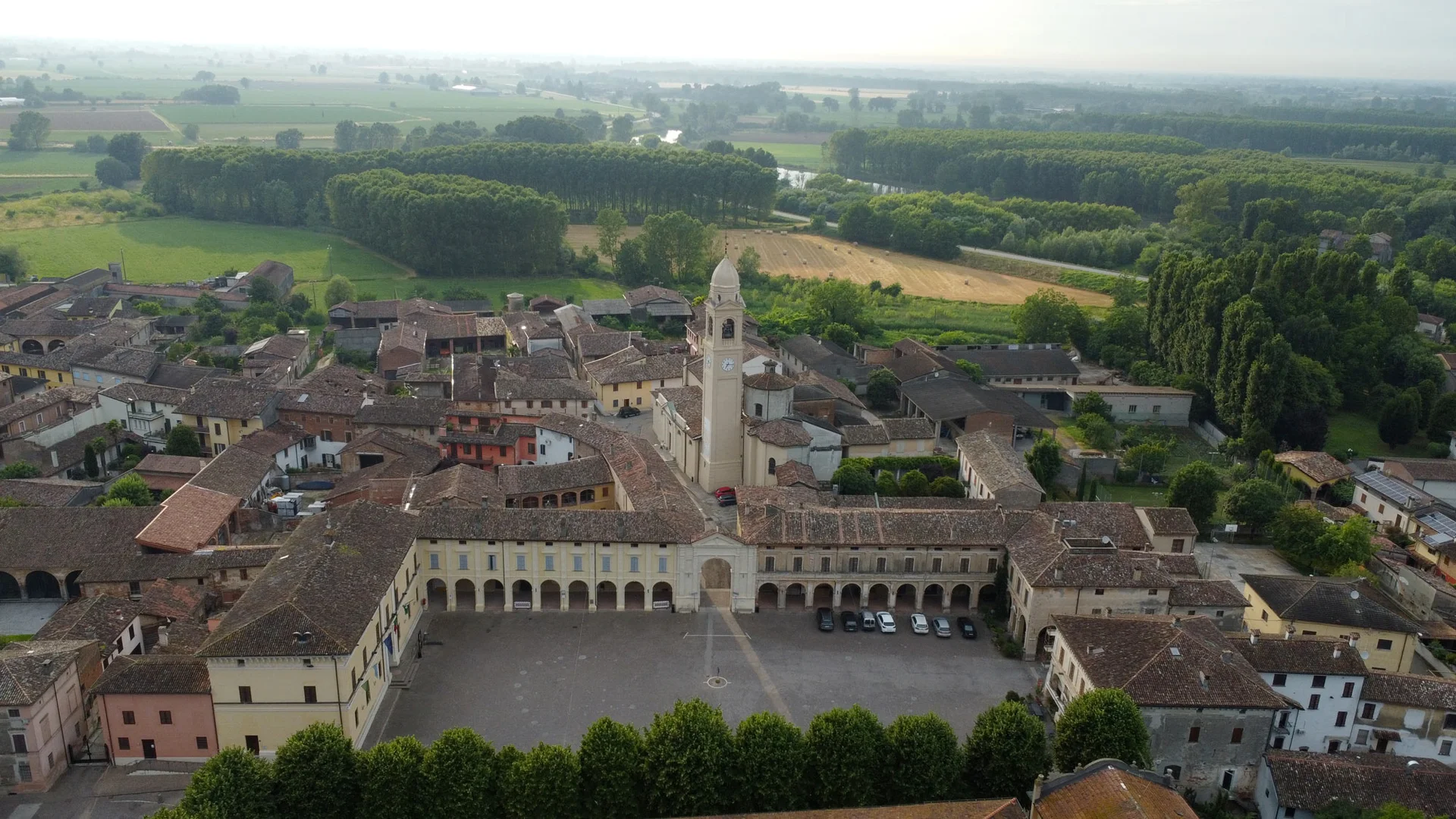
Isola Dovarese
From medieval lords to the heroes of the Italian Risorgimento, from Renaissance rulers to seventeenth-century artists: the people who shaped the identity of the village.
Isola Dovarese
From medieval lords to the heroes of the Italian Risorgimento, from Renaissance rulers to seventeenth-century artists: the people who shaped the identity of the village.
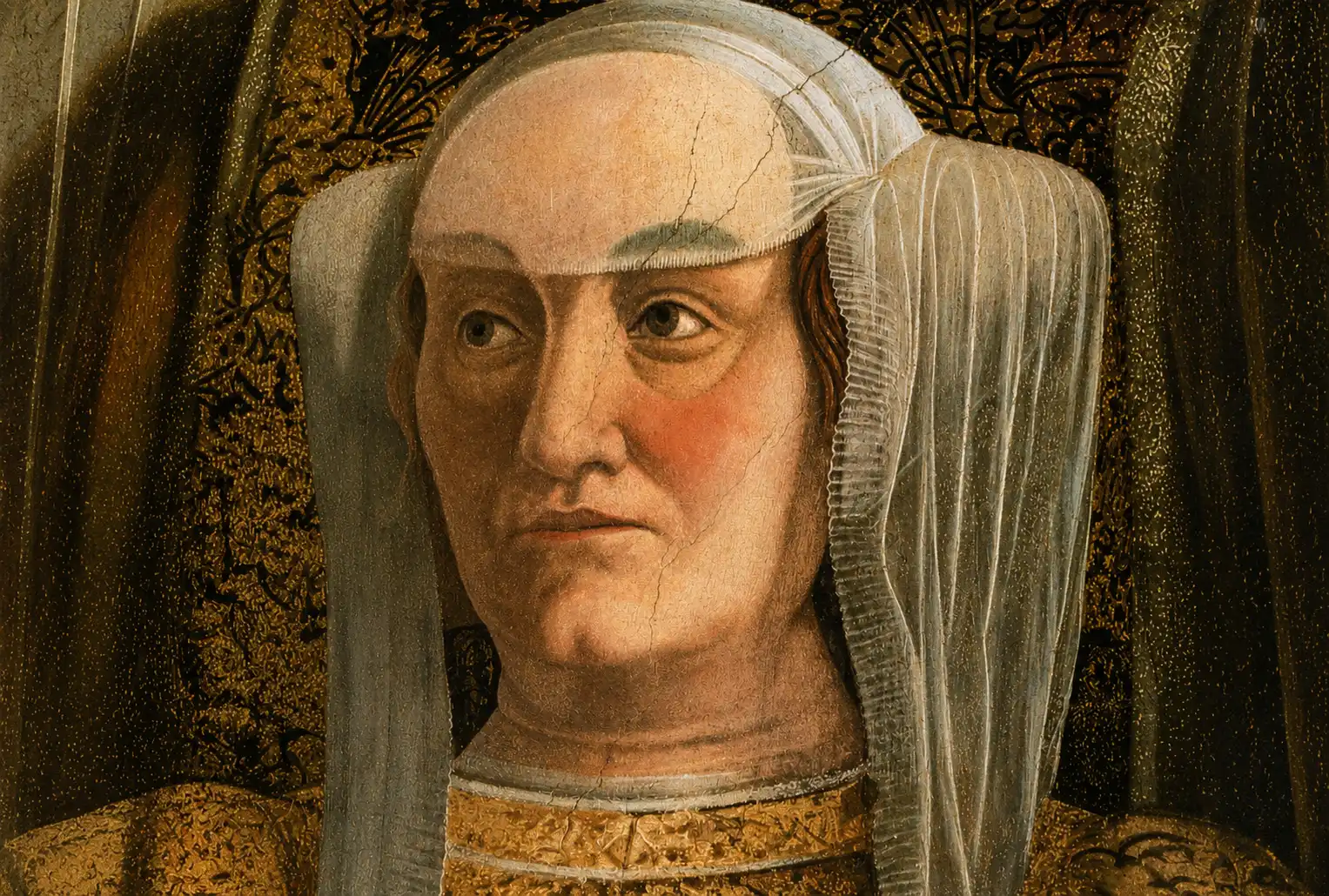
The history of Isola Dovarese is inseparable from the lives of the men and women who, across the centuries, helped define its identity. Feudal lords, noblewomen, soldiers and artists: each played a different role in the story of a village that stood at the crossroads of Cremona, Mantua and the Oglio River, leaving a remarkable cultural legacy. In November 1458, Barbara of Brandenburg, Marchioness of Mantua and one of the most influential women of the Italian Renaissance, stopped in Isola Dovarese during a diplomatic journey intended to strengthen the alliance between the Gonzaga and Sforza dynasties. She was accompanying her daughter Gabriella to Milan for her marriage to Corrado da Fogliano, together with the young Dorotea Gonzaga, who was promised to the Sforza heir.
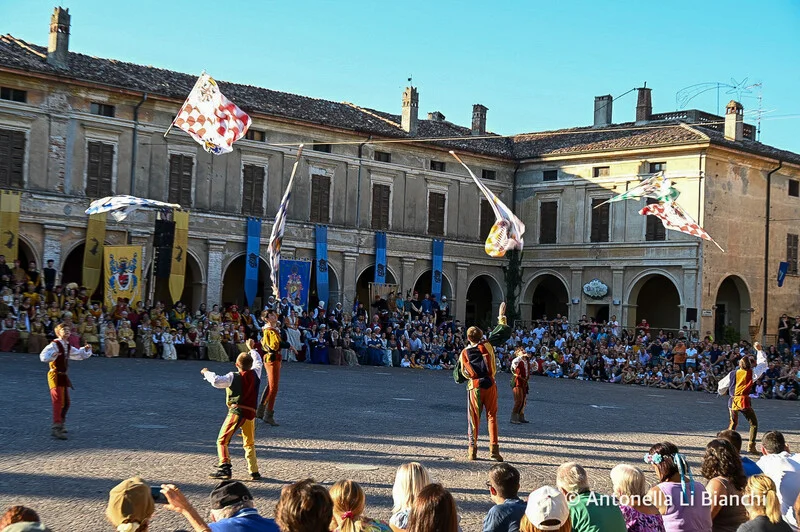
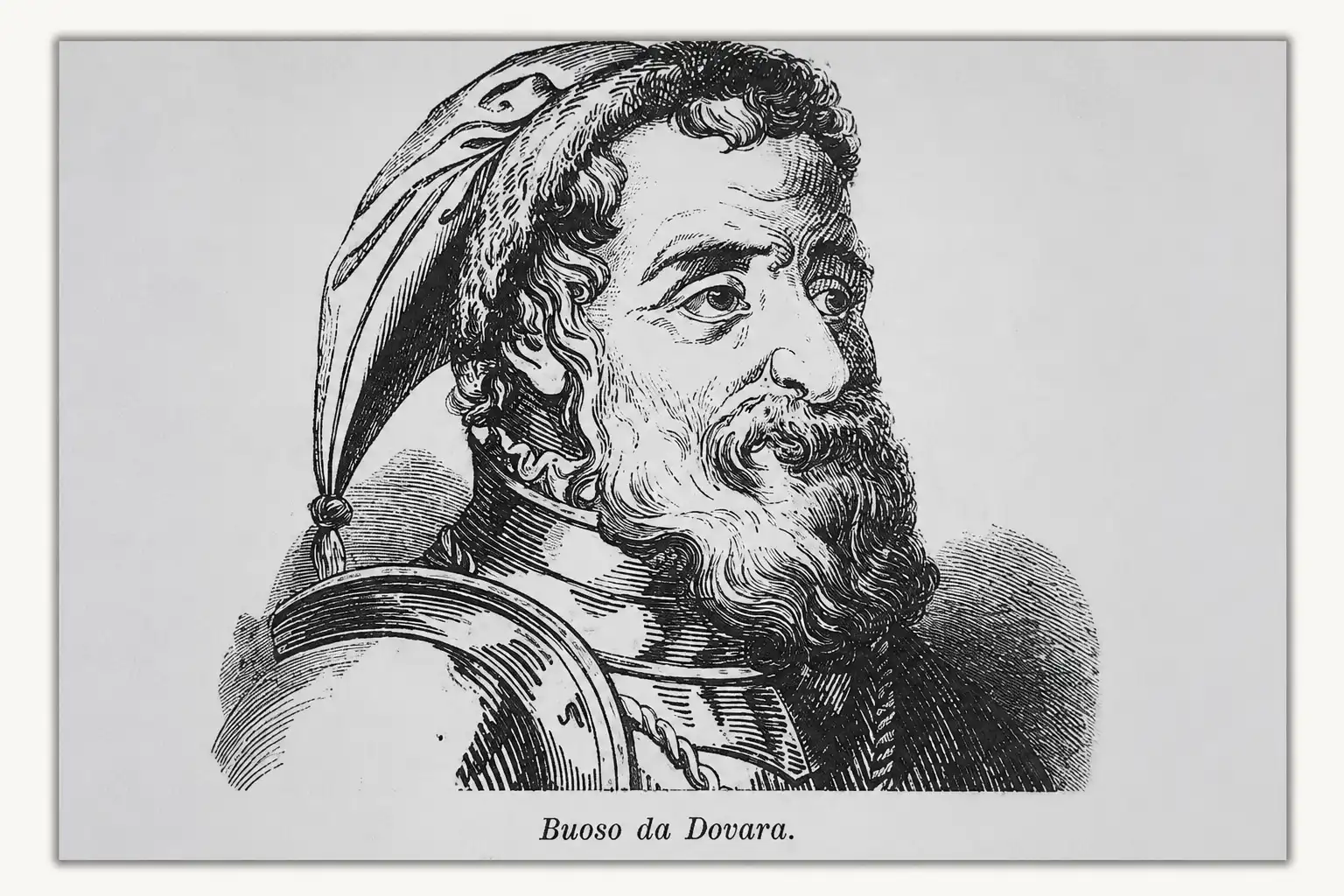
Hosted by the Dovara family, Barbara stayed in the village on 21 November 1458, a visit that remains one of the most celebrated moments in local history. Every year, the Palio delle Contrade commemorates this historic arrival, bringing the streets of Isola Dovarese back to the atmosphere of the fifteenth century. Tra i membri più illustri della famiglia Dovara spicca Buoso da Dovara, potente esponente ghibellino del XIII secolo e protagonista della politica dell'Italia comunale. Signore di Soncino e Sabbioneta, podestà di diverse città e stretto alleato dell'imperatore Federico II, cercò di costruire un vasto dominio tra Cremona e il territorio dell'Oglio.Barbara of Brandenburg: The Journey Recreated by the Palio
Buoso da Dovara: The Lord Remembered by Dante
Dopo la sconfitta dei ghibellini fu costretto all'esilio, ma il suo nome rimase legato per sempre alla storia medievale italiana. Dante Alighieri lo citò infatti nella Divina Commedia, collocandolo nell'Inferno tra i traditori politici. Ancora oggi il cognome Dovara identifica la famiglia che ha dato il nome al borgo e al palazzo che ne custodisce la memoria.
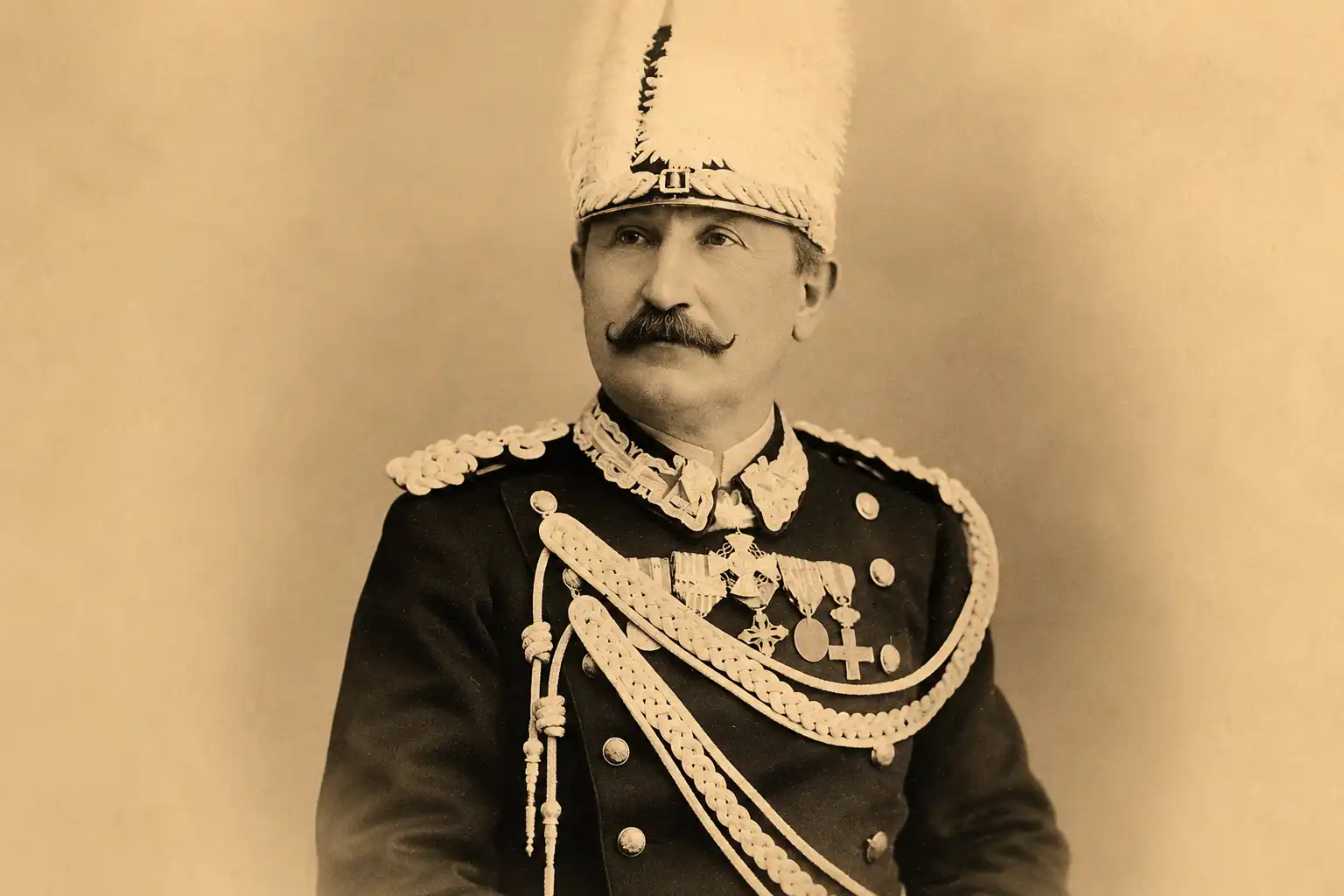
Born in Isola Dovarese in 1838, Francesco Pistoja became one of the leading figures of the Italian Risorgimento. While still a student, he left the seminary to volunteer in the Piedmontese Army, distinguishing himself during the Battle of San Martino in the Second Italian War of Independence.
His military career eventually led him to the rank of General in the Royal Italian Army. He later served both as a Member of Parliament and as a Senator of the Kingdom of Italy, while maintaining a lifelong connection with his native village, where he spent his final years.
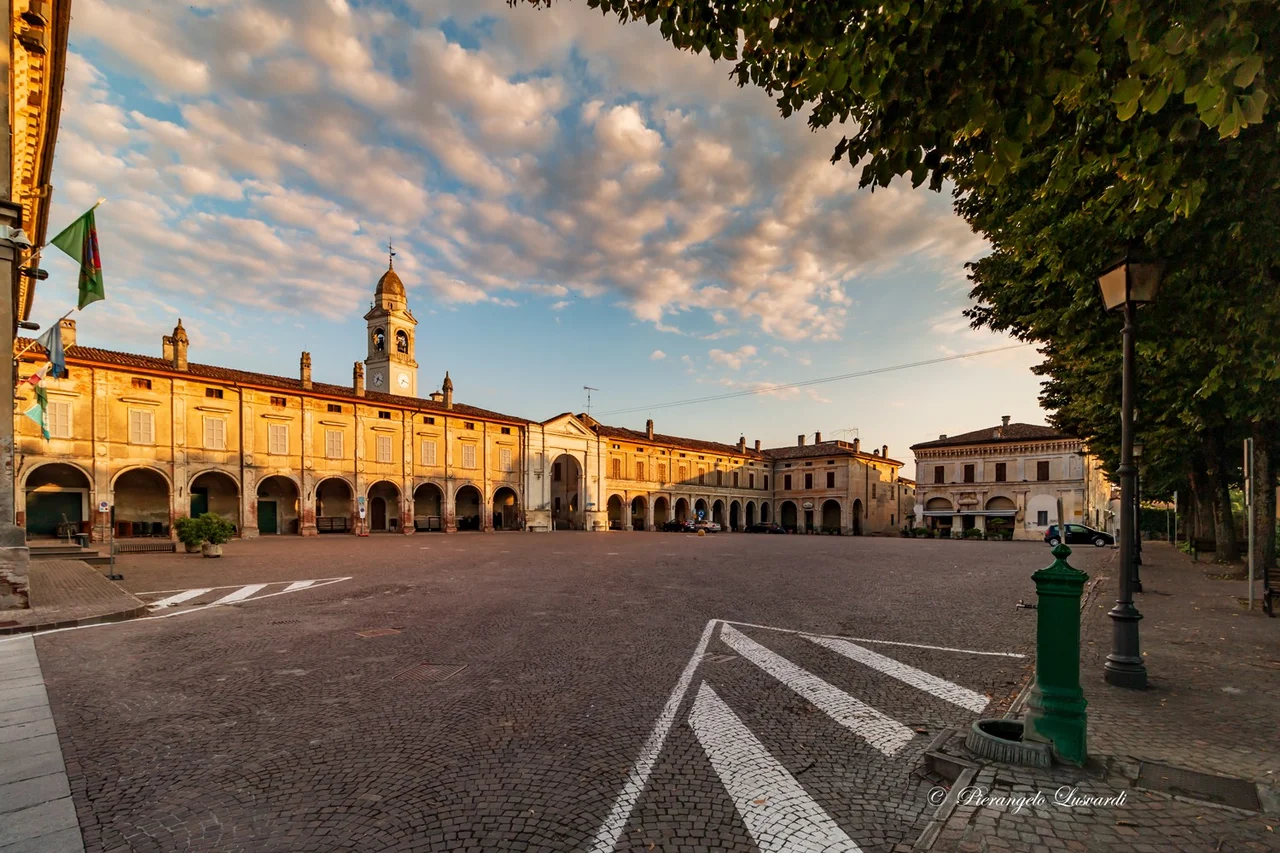
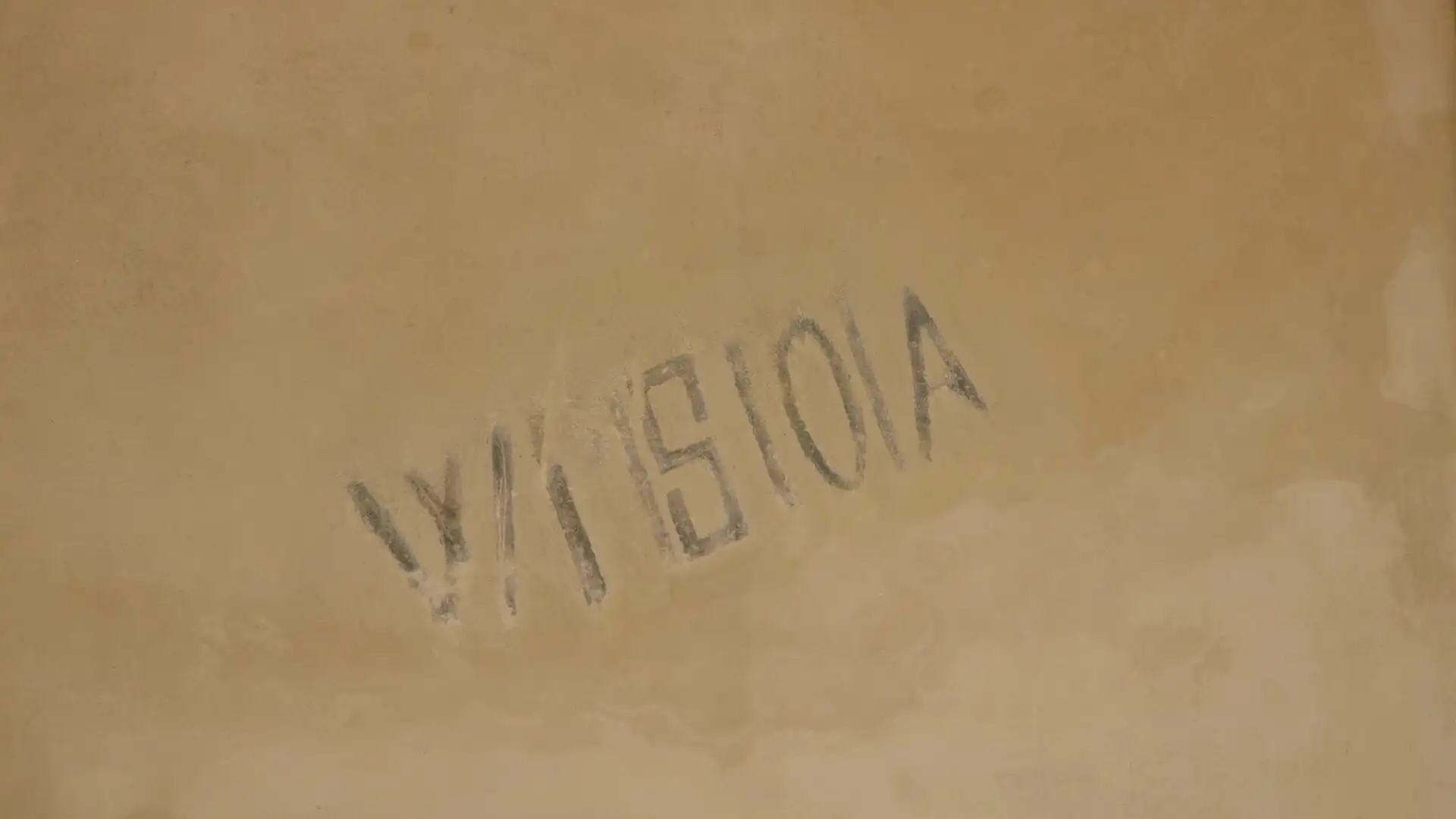
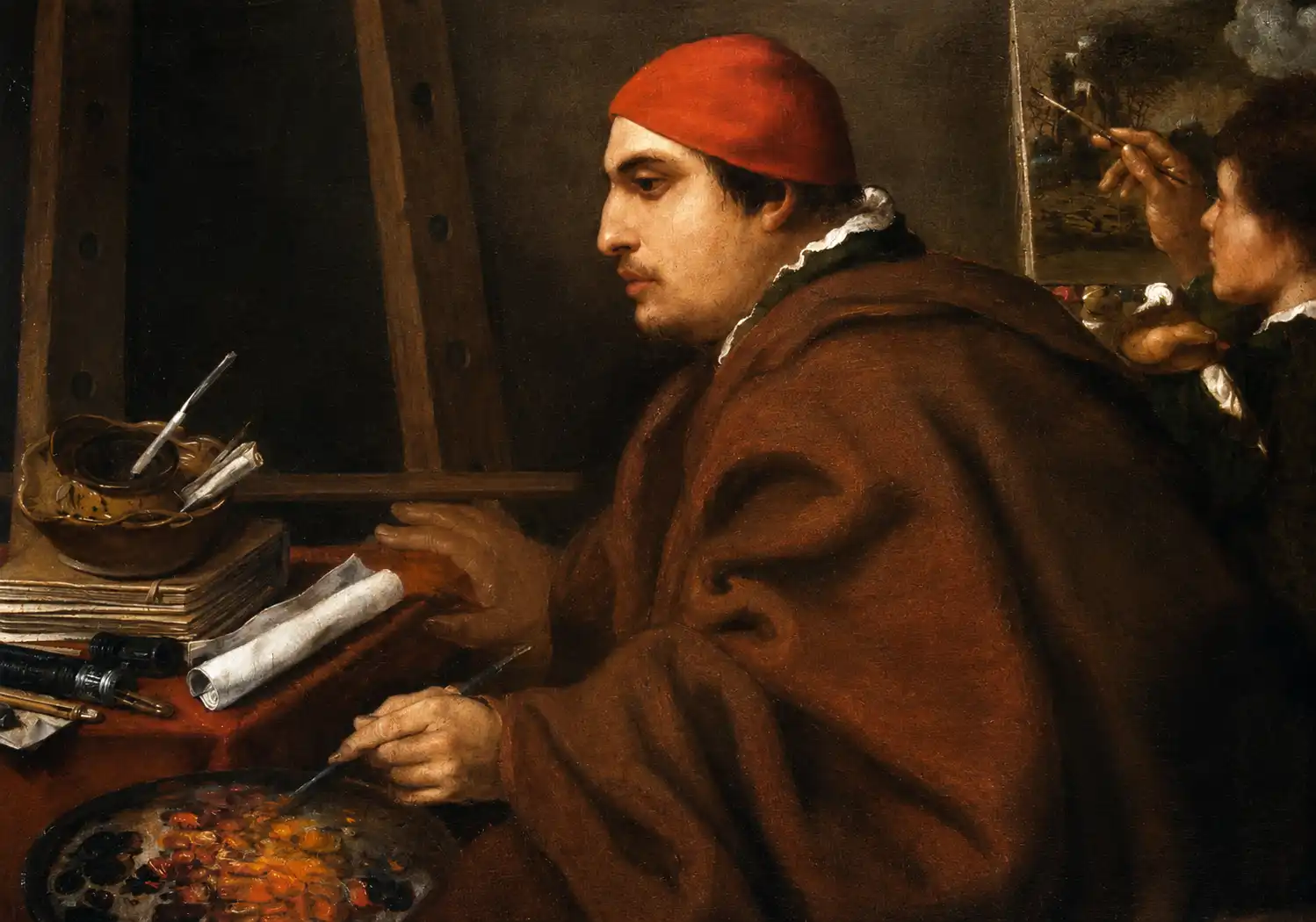
His memory remains alive in Isola Dovarese today. One of the dining rooms of the historic Caffè Trattoria La Crepa bears his name, while an inscription beneath the arcades of Palazzo Dovara, overlooking Piazza Giacomo Matteotti, still recalls his remarkable life. For centuries, Giuseppe Caletti was believed to have been born in Cremona and was therefore known as Il Cremonese. Recent archival research has revealed that he was in fact born in Isola Dovarese in 1599, restoring one of the village's most important artists to his rightful place in local history.
Trained within the artistic circle of Guercino, Caletti developed most of his career in Ferrara, where his work combined the naturalism of the Emilian school with the rich colour traditions of Venetian painting. An original and independent artistic personality, he demonstrates how even a small village in the Po Valley could produce figures capable of making a lasting contribution to the artistic life of seventeenth-century Italy.
Today, one of the squares in Isola Dovarese is dedicated to Giuseppe Caletti, celebrating the enduring bond between the artist and his birthplace.Francesco Pistoja: From Isola Dovarese to the Senate of the Kingdom of Italy
Giuseppe Caletti: The Painter from Isola Dovarese