History

Isola Dovarese: History and Traditions
Contrary to what its name might suggest, Isola Dovarese stands firmly on dry land. Its ancient name, Insula, derives from the settlement's unique location on an embankment embraced on three sides by the Oglio River. Yet it is the second part of the name that best reveals the village's identity: a tribute to the Ghibelline Dovara family of Cremona, who acquired the fief at the end of the twelfth century.
In 1322, Anna Dovara, descendant of Buoso da Duera, immortalised by Dante Alighieri in the Inferno, married Filippino Gonzaga, linking the destiny of Isola Dovarese to the powerful ruling family of Mantua. From the fifteenth century onwards, the village became a Gonzaga enclave, surrounded by the Republic of Venice and the Duchy of Milan—a position that was both strategically delicate and remarkably privileged, leaving behind an extraordinary architectural and cultural legacy.
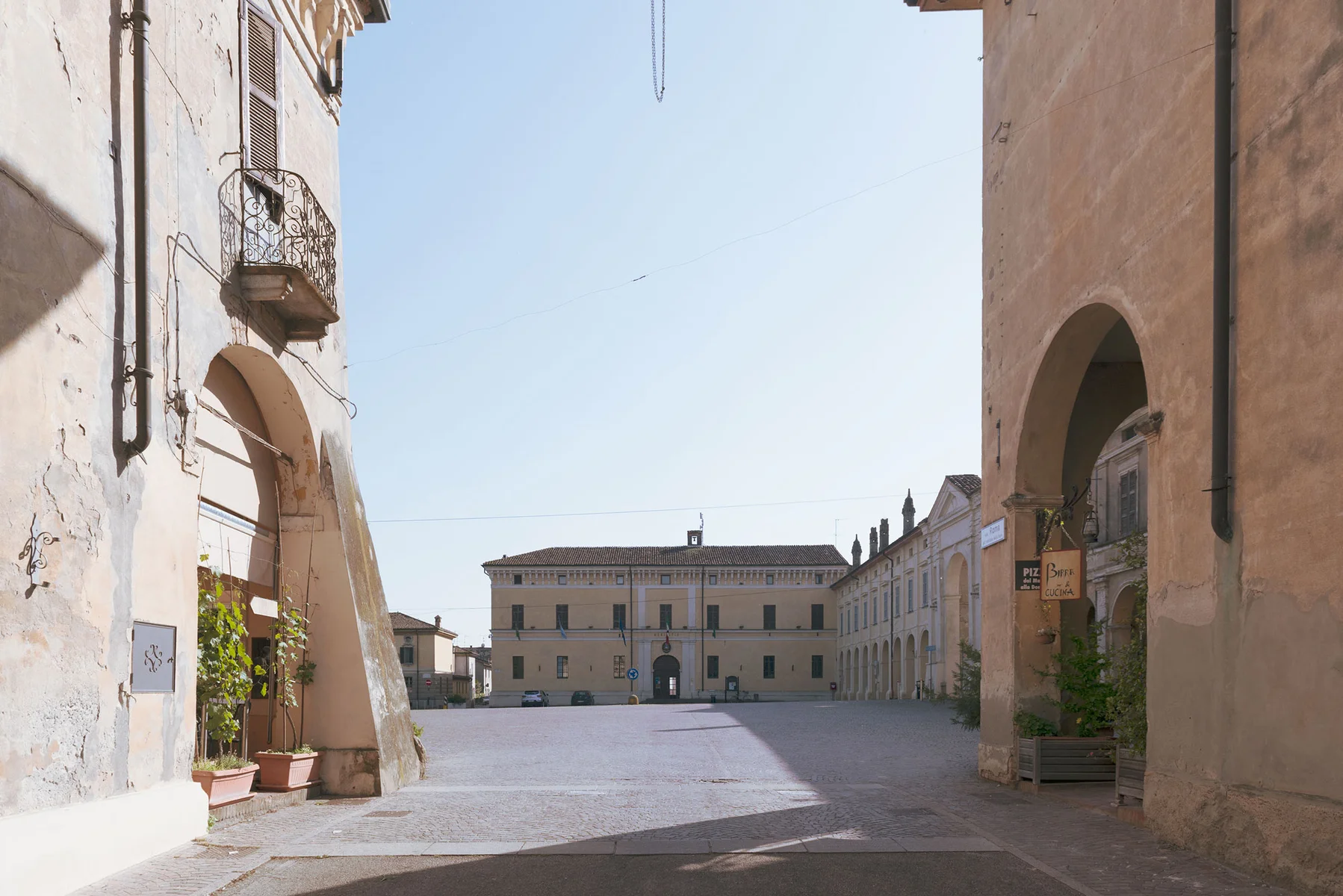
At the heart of the village lies Piazza Giacomo Matteotti, one of Lombardy's finest Gonzaga squares, created in the late sixteenth century and framed by elegant arcades. Overlooking the square are Palazzo Dovara and the Palazzo Pretorio, now home to the Town Hall, where visitors can still see the graffiti left by prisoners on the walls of the former jail cells.
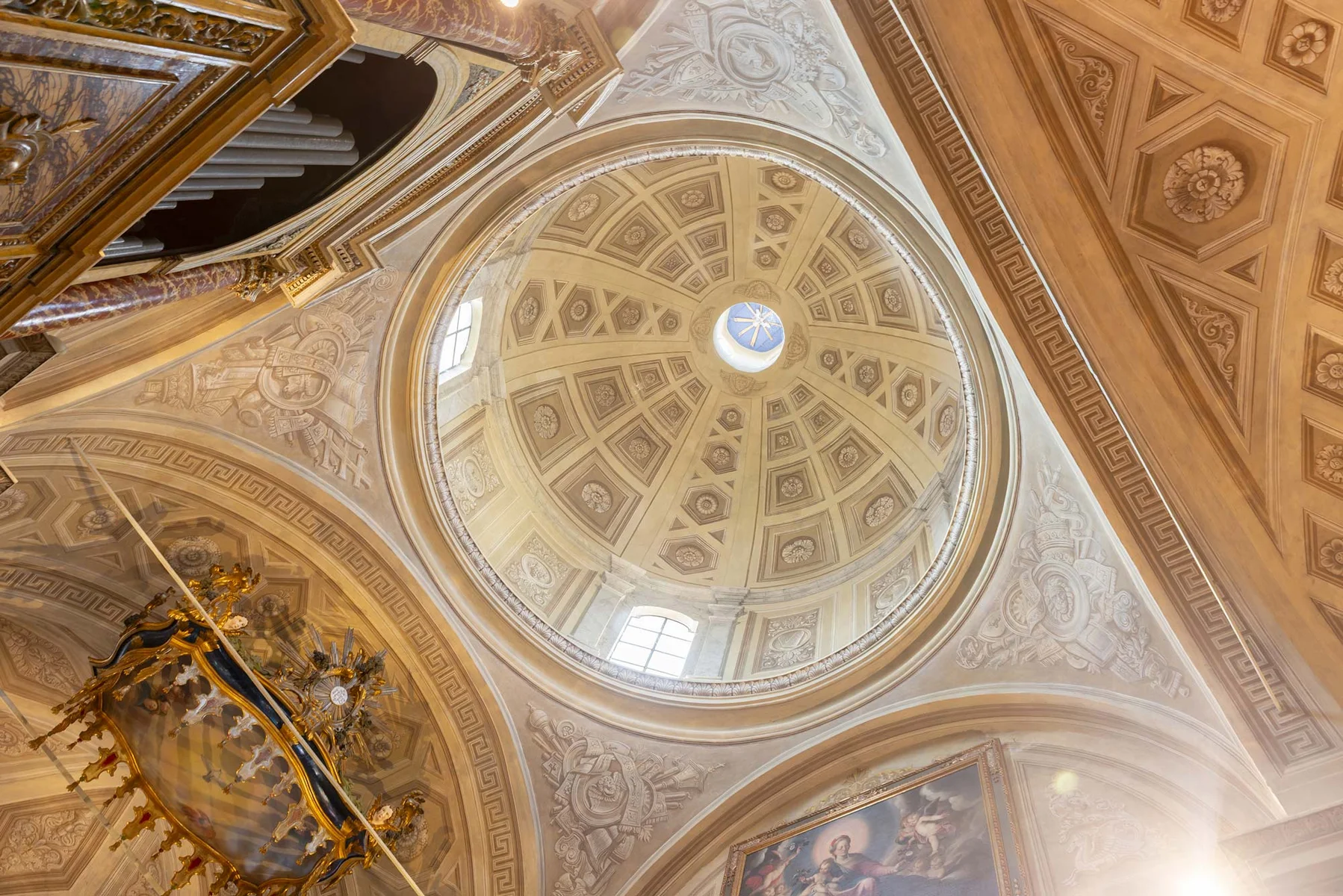
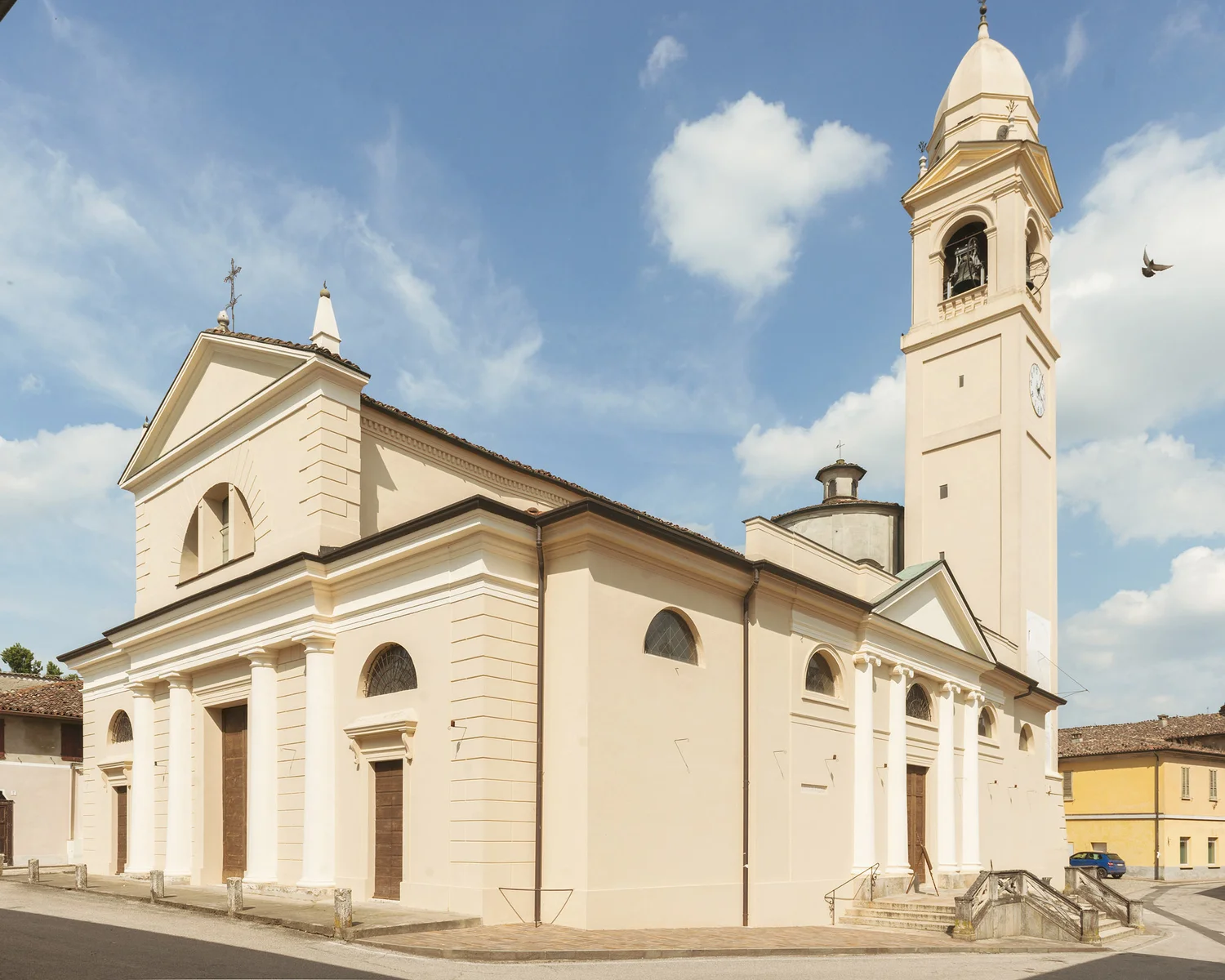
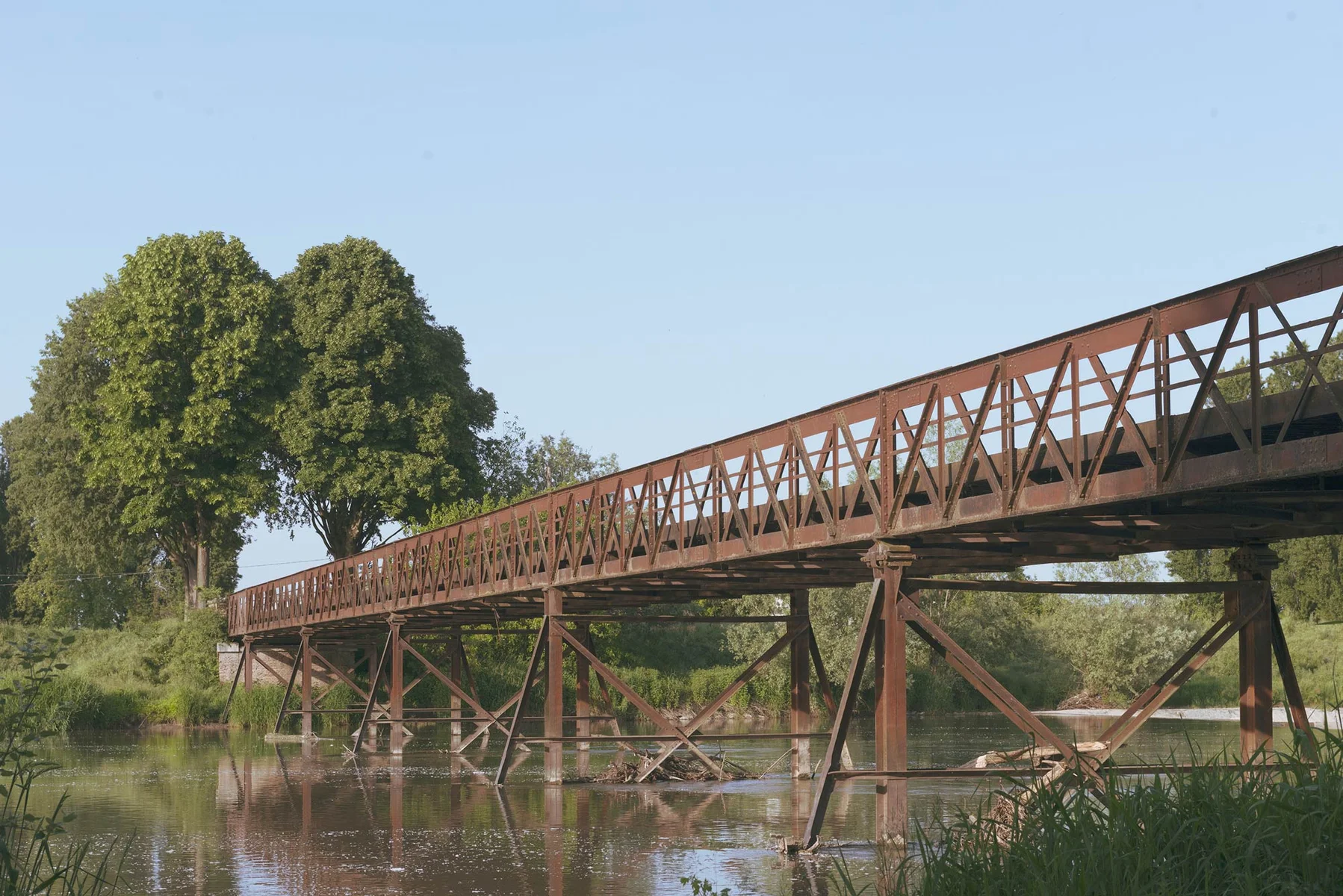
Just a short walk away, the Church of San Nicolò houses works by Bernardino Campi and the celebrated Annunciation, known as the Madonna del Gatto, attributed to Altobello Melone. Nearby, the Oratory of San Giuseppe, which served as a military hospital during the Italian Risorgimento, stands as a testament to the village's patriotic spirit. From the picturesque Ponte Vecchio, also known as the Bridge of the Three Martyrs of the Resistance, riverside paths lead into the peaceful landscapes of Oglio Sud Park, inviting visitors to explore the surrounding countryside on foot or by bicycle.
Travel Tips

+39 0375 206918
+39 339 7489760