The palace

The ancient palace is reborn
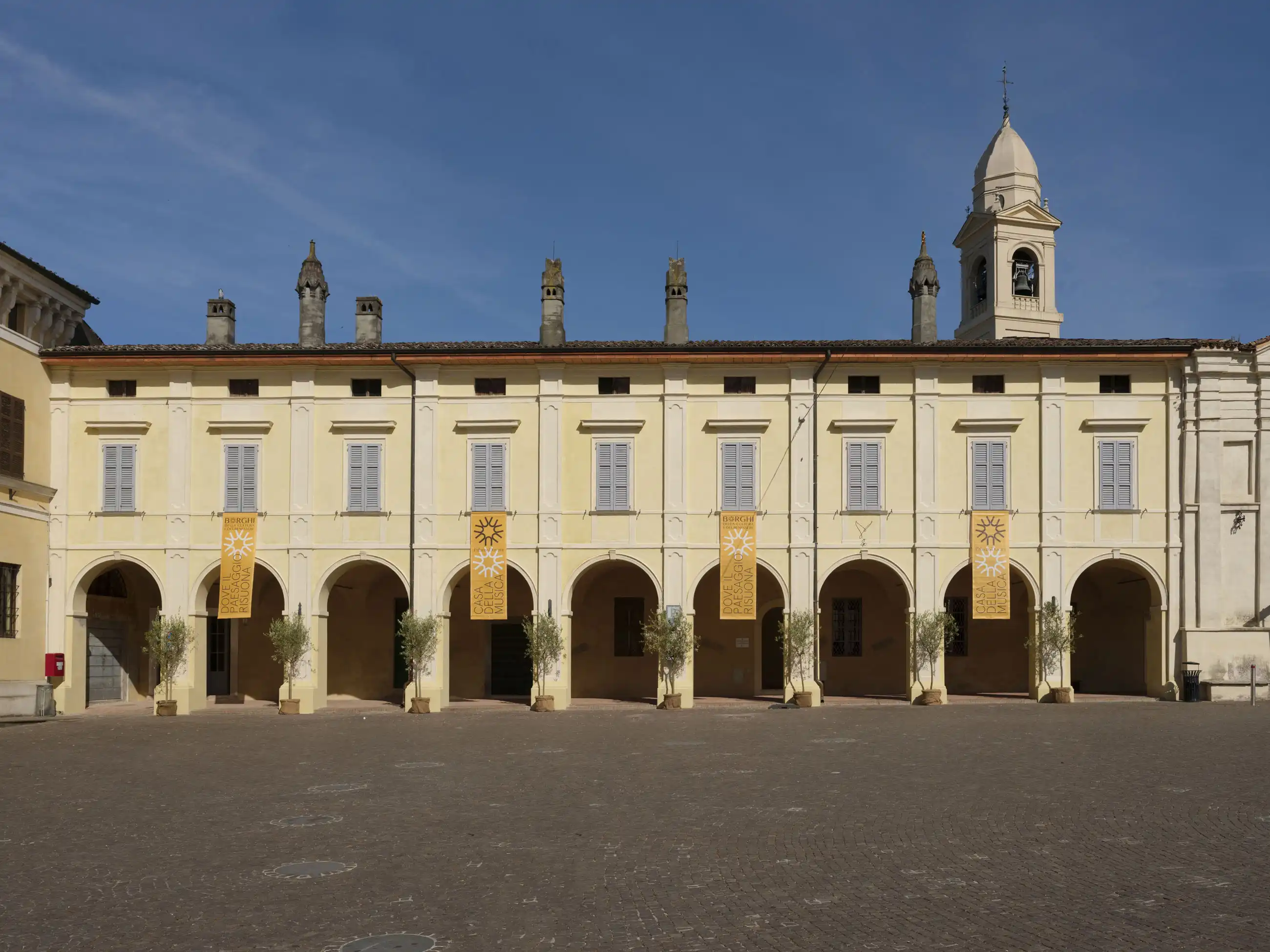
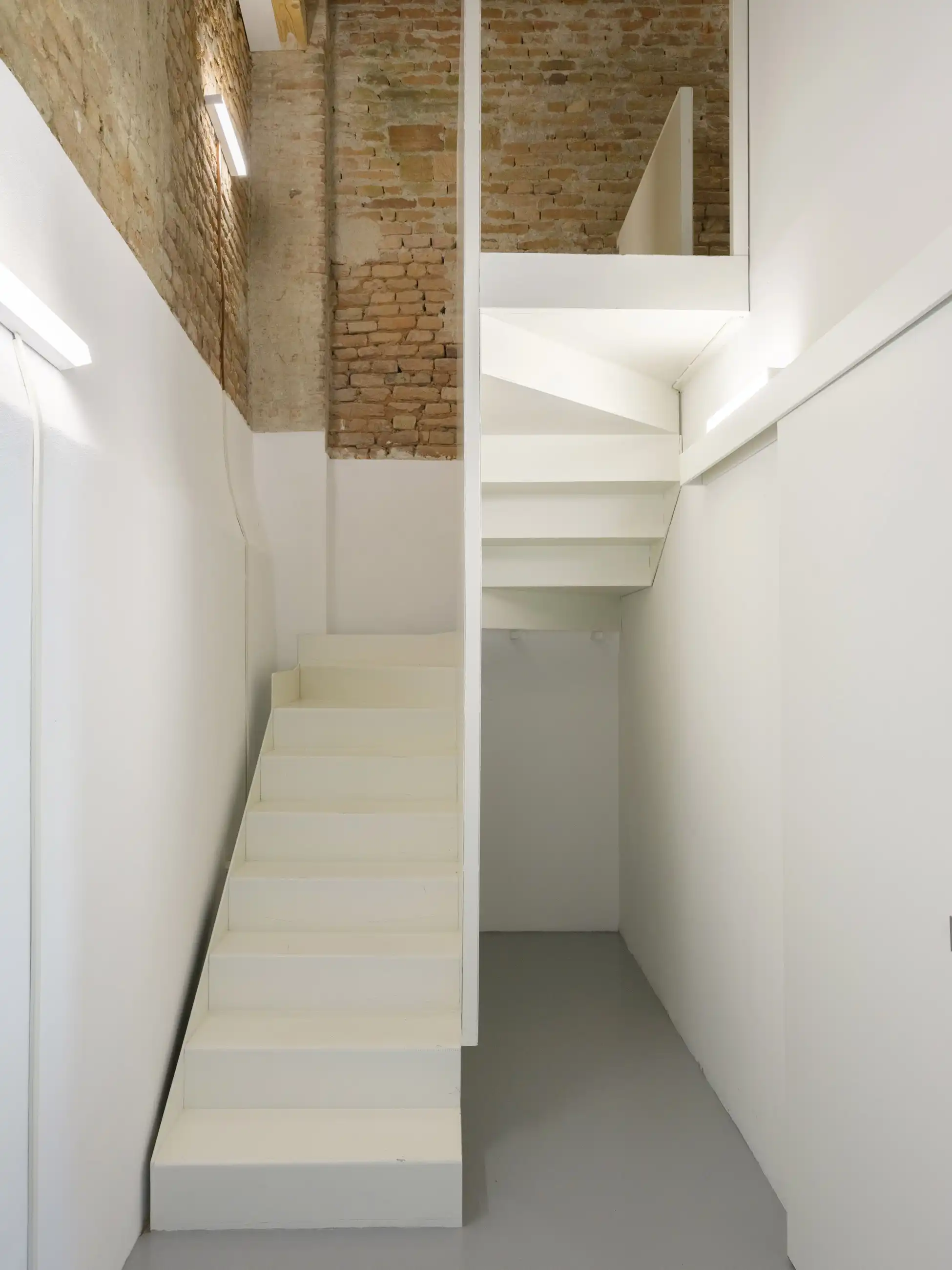
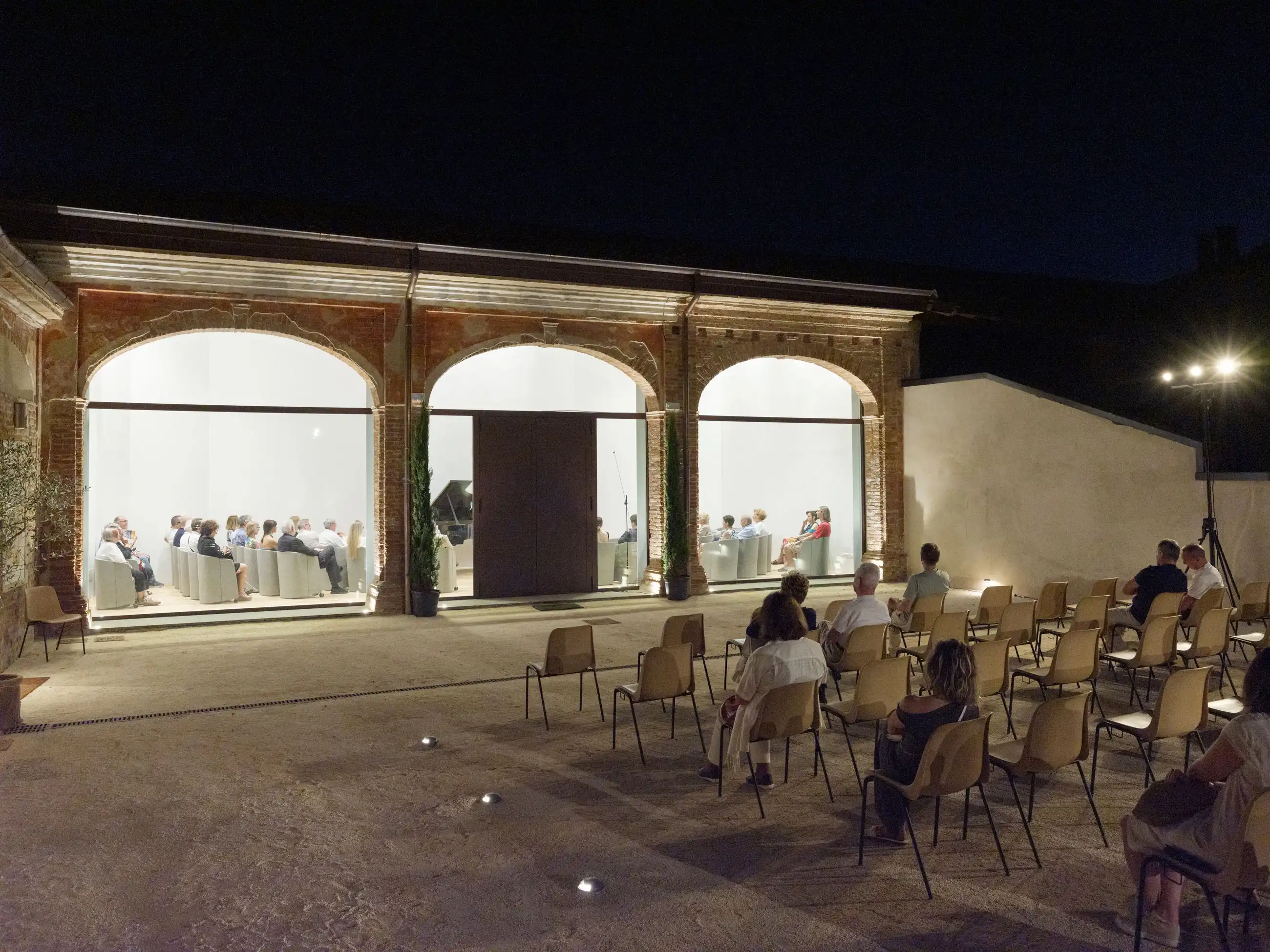
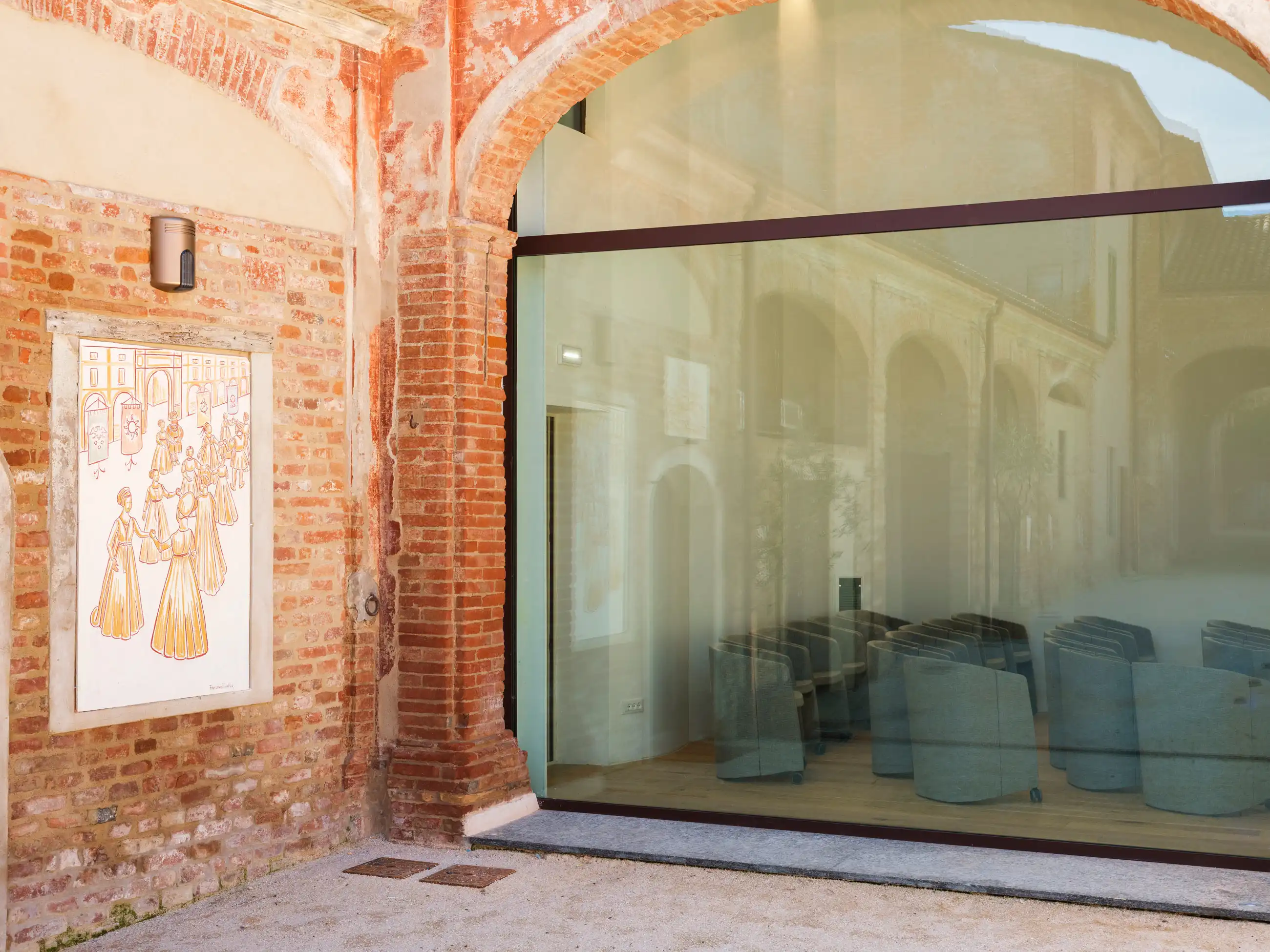
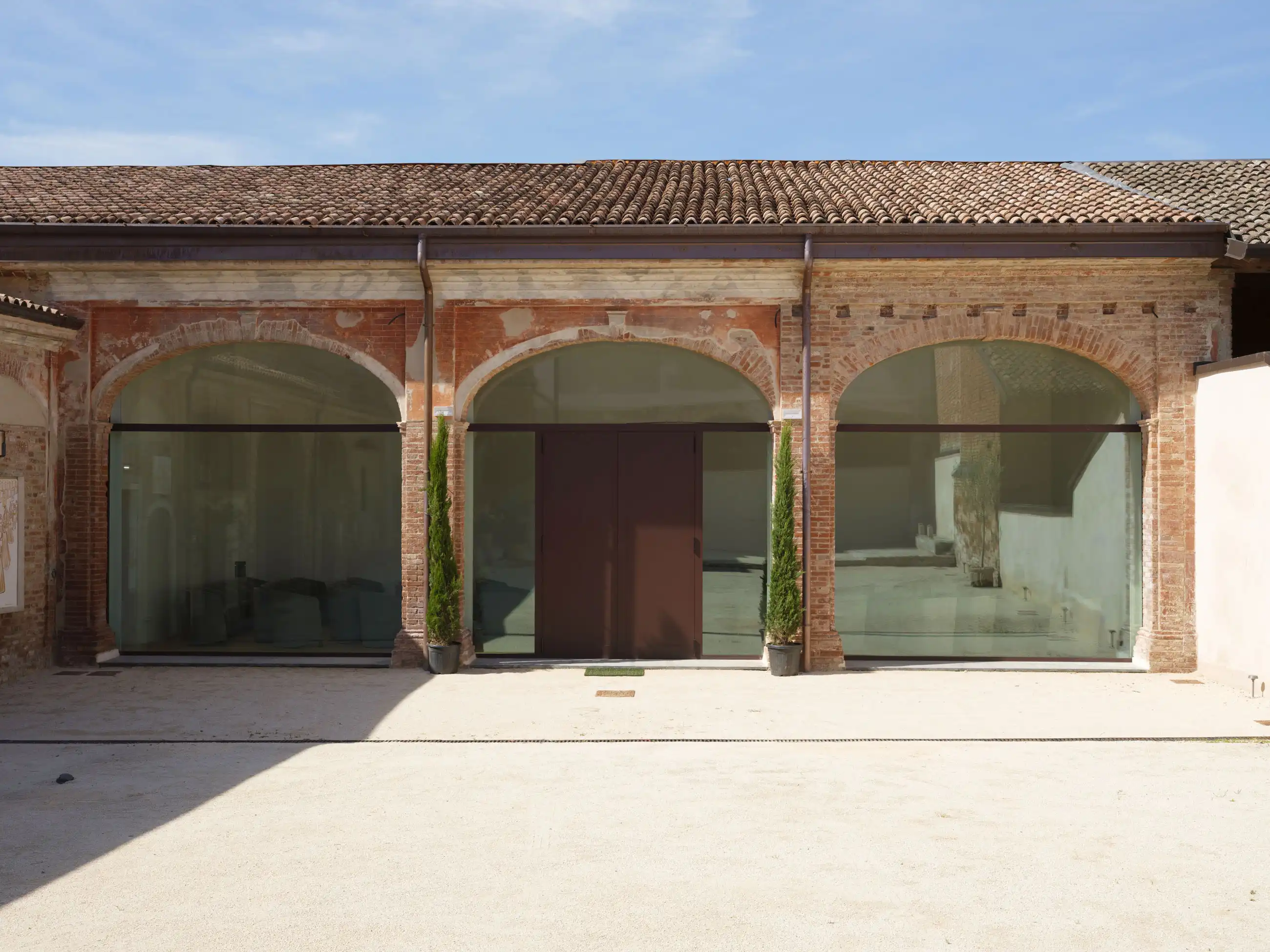
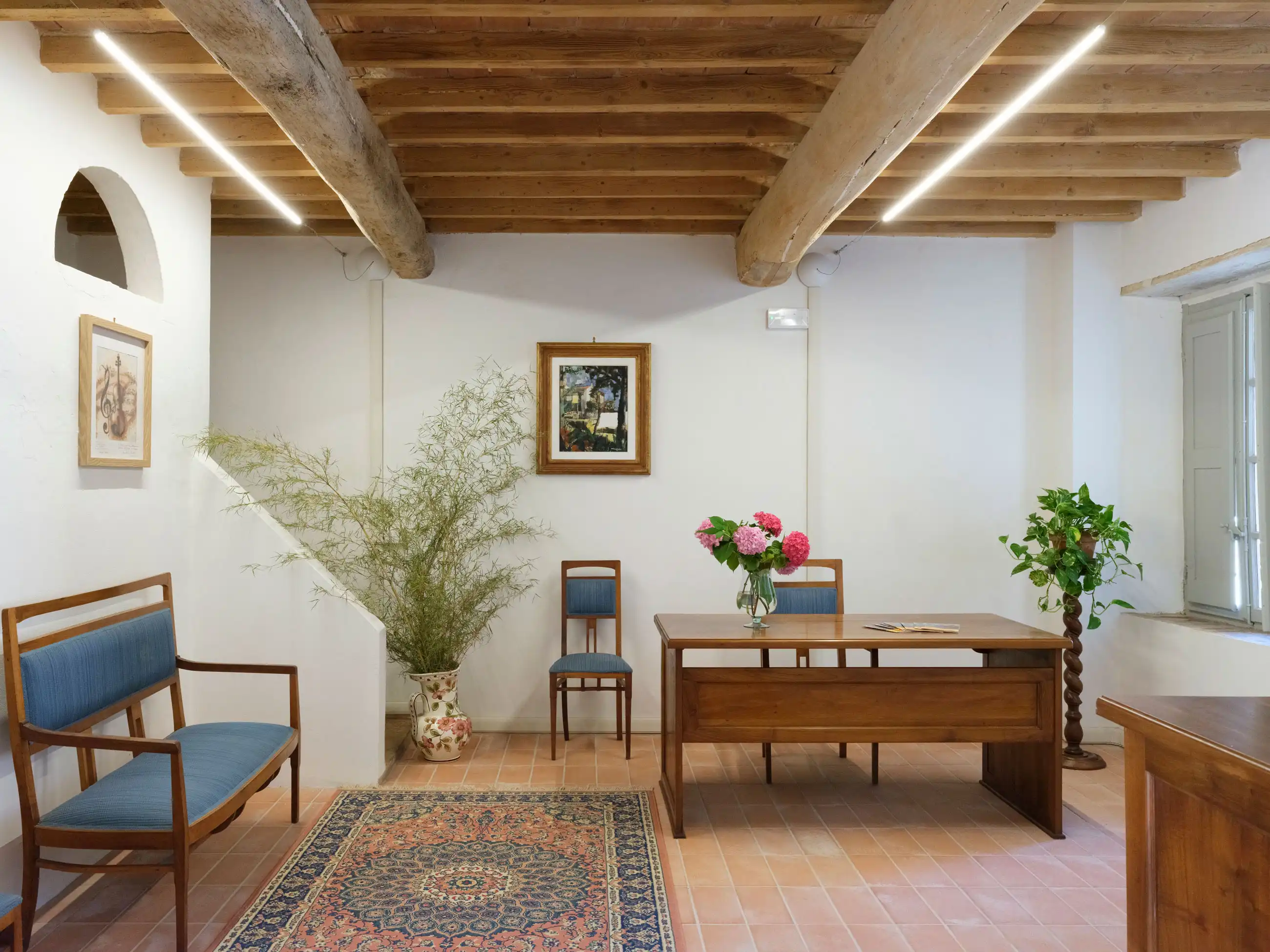
Home of the noble Dovara family, Palazzo Dovara stands on the western side of Piazza Giacomo Matteotti, where its elegant nine-arched portico frames one of Lombardy's finest Gonzaga squares. Designed between the sixteenth and seventeenth centuries, the square remains the symbolic heart of Isola Dovarese. The palace acquired its present appearance during the eighteenth century, as recorded in the Teresian Cadastre of 1774, becoming the family's residence after they abandoned their medieval fortress on the opposite side of the village.
Inside, richly decorated rooms, attributed to the Mantuan painters Giovanni Majocchi, known as Il Motta, and his brother Francesco, bear witness to the influence and prestige of the Dovara family. Among its most renowned members was the legendary Buoso Dovara, the Ghibelline lord of Cremona immortalised by Dante Alighieri in Inferno (Canto XXXII) among the traitors to their homeland. During the nineteenth century, members of the family also played a role in the Italian Risorgimento. One of them, Germano Dovara, enlisted in Garibaldi's Cacciatori delle Alpi in 1859 and fought in the campaigns that led to the unification of Italy.
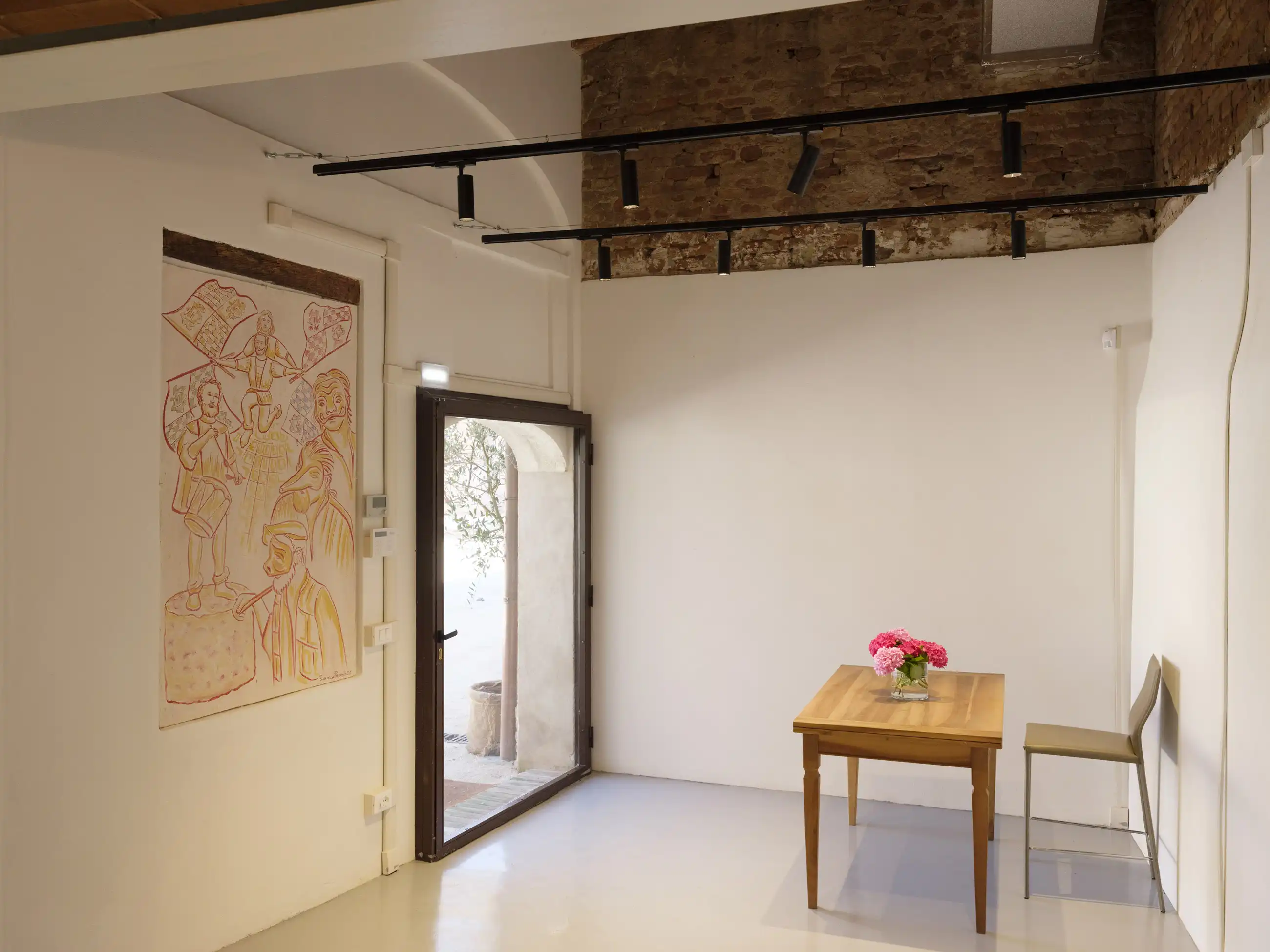
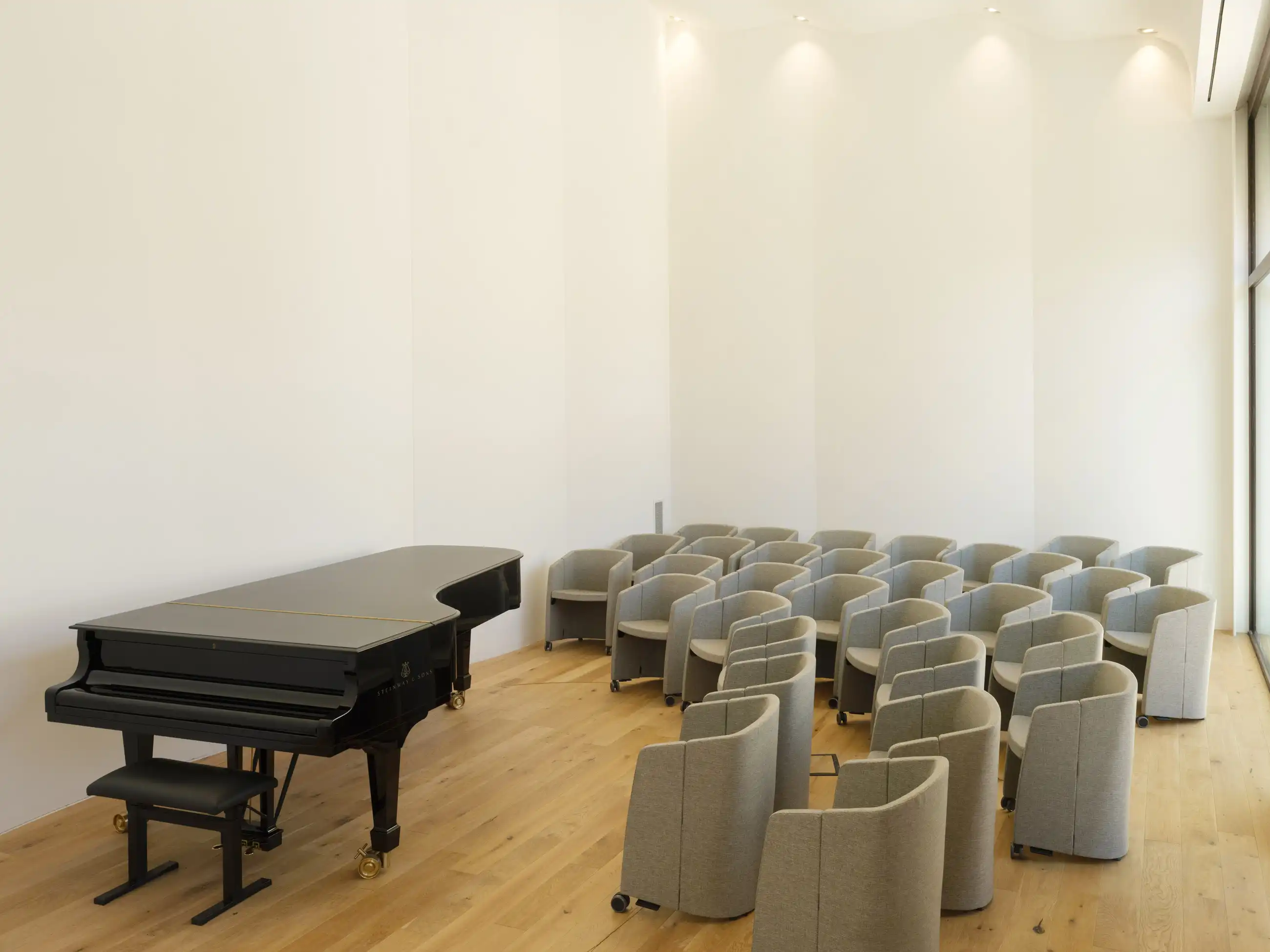
The palace remained inhabited until the 1990s, when Ena Dovara, the last descendant of the Isola Dovarese branch of the family, passed away. After a period of neglect, the building was acquired by the Municipality of Isola Dovarese and carefully restored through an ambitious regeneration project. Today, Palazzo Dovara begins a new chapter as the village's Casa della Musica: a place dedicated to culture, education and community life.